September 25, 2026
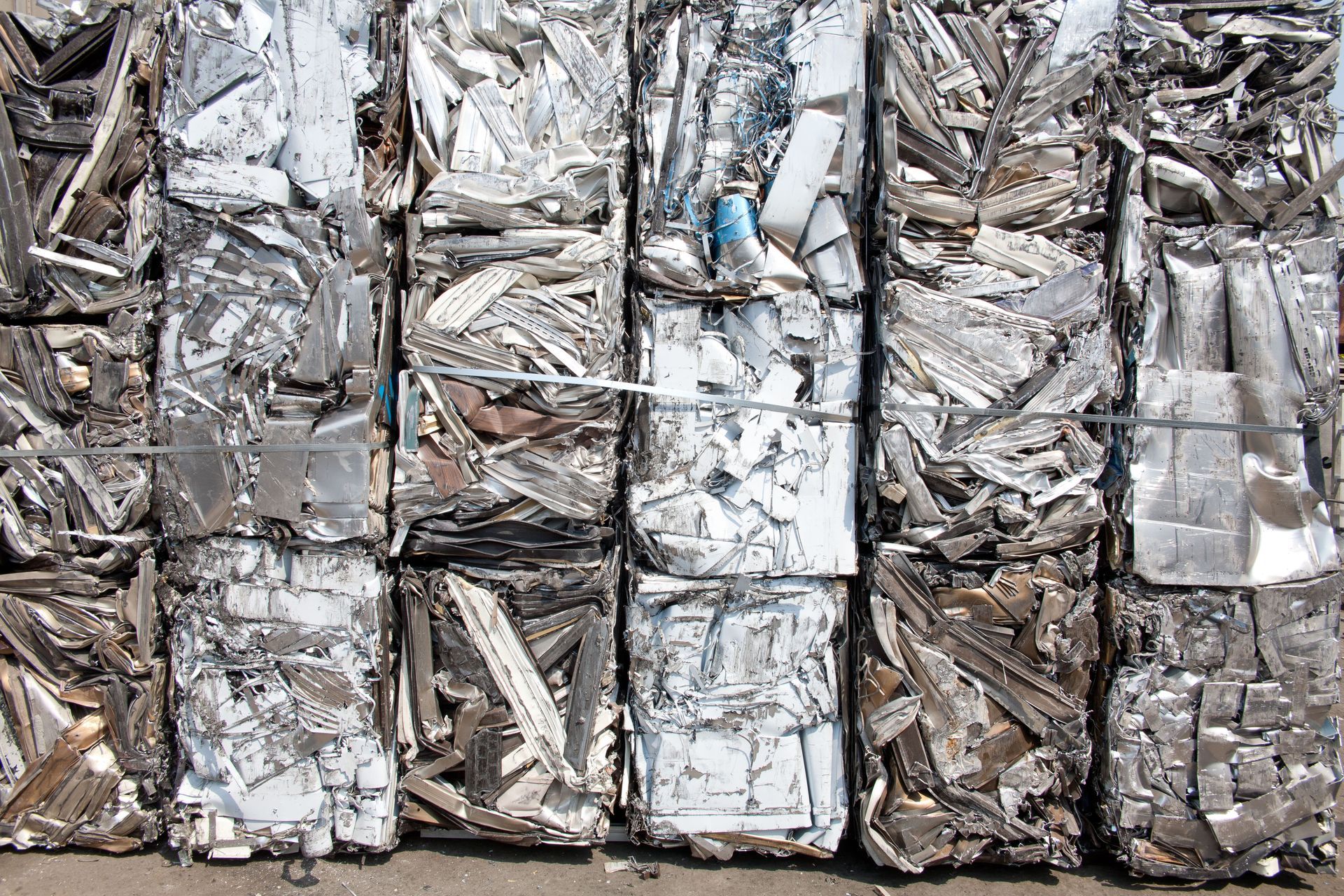
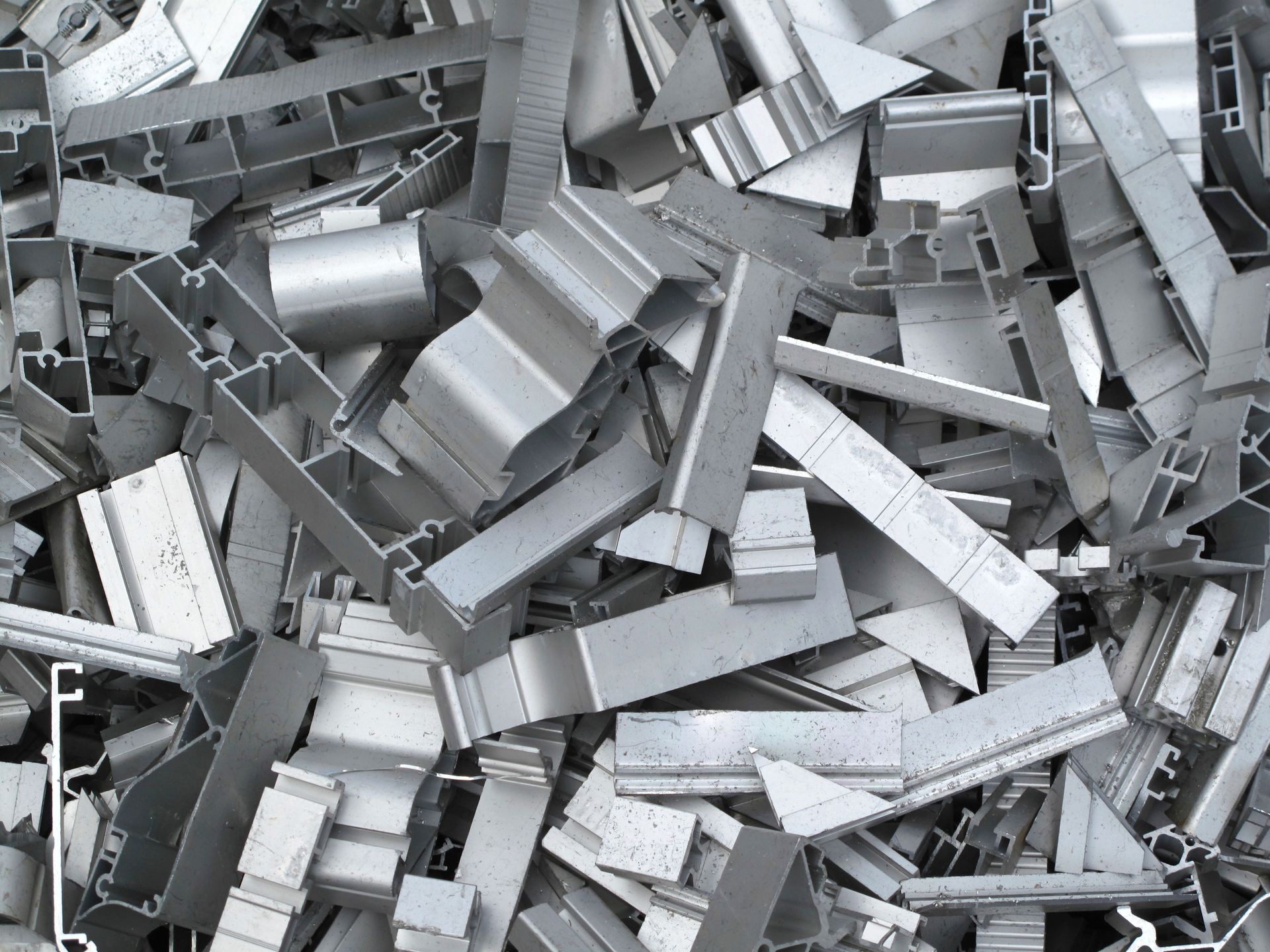
Exploring the crucial role of scrap metal recyclers in sustainable infrastructure development reveals the immense economic and environmental benefits they provide. Modern cities rely heavily on steel, copper, and aluminum to build transportation networks, utility grids, and public facilities. Established scrap metal recyclers serve as the foundational supply chain that keeps these raw materials flowing efficiently. By converting industrial waste into essential building blocks, scrap metal recyclers bridge the gap between heavy manufacturing and sustainable urban growth. This article delves into how their work powers economic development, reduces environmental footprints, and strengthens modern infrastructure.
The Economic Impact of Scrap Metal Recycling
Scrap metal recycling significantly contributes to the economy by creating jobs and supporting various heavy industries. The recycling industry encompasses numerous processing operations that require skilled labor, thus providing stable employment opportunities for a diverse workforce. Across the globe, thousands of individuals find work in the collection, sorting, processing, and distribution of reclaimed metals. Job creation in this sector enhances local economies and provides steady income for families. With a continuous demand for recycled materials, scrap metal recyclers remain a crucial economic pillar for industrial communities.
The financial influence of scrap metal recyclers extends to both local and national economies. By providing high-grade raw materials at a reduced cost, they enable manufacturing plants to produce construction components much more affordably. This reduction in production costs leads to lower overall material prices for contractors, promoting robust commercial activity. Furthermore, the substantial revenue generated by scrap metal recyclers contributes significantly to national GDPs. Thus, the economic ripple effect created by professional metal recycling is far-reaching and durable.
Another key economic benefit provided by scrap metal recyclers is the reduction in raw material procurement costs across sectors. Processing recycled metal is far more cost-effective than extracting, smelting, and refining virgin ores. The ability of scrap metal recyclers to supply a reliable volume of material keeps manufacturing costs stable over time. In addition, reducing the need for raw mining operations lowers overall resource extraction expenses, benefiting both private corporations and public projects. The sustained economic viability of scrap metal recyclers is vital for long-term industrial success.
Environmental Benefits of Scrap Metal Recycling
The environmental benefits delivered by scrap metal recyclers are substantial, starting with a massive reduction in industrial energy usage. Producing structural materials from recycled metal requires significantly less energy compared to processing raw ore from scratch. For instance, recycling aluminum saves up to 95% of the energy needed to produce new metal, while recycled steel cuts energy consumption dramatically. According to BIR.org, some 630 million tonnes of recycled steel are used each year in global steel production. Consequently, the energy conservation facilitated by scrap metal recyclers helps mitigate carbon emissions on a global scale.
In addition to energy savings, scrap metal recyclers help conserve finite natural resources. By reintroducing existing metals into the manufacturing stream, fewer virgin minerals need to be mined from the earth, reducing landscape destruction and habitat loss. This conservation is crucial for protecting biodiversity and preventing environmental damage near mining zones. Scrap metal recyclers support a sustainable circular economy, where structural resources are reused effectively across multiple lifecycles to promote long-term ecological balance.
Additionally, scrap metal recyclers significantly decrease greenhouse gas emissions across the manufacturing sector. Utilizing processed scrap steel in electric arc furnaces drastically reduces the volume of atmospheric carbon released compared to traditional blast furnaces. By diverting tons of metal away from landfills and turning them into usable building products, scrap metal recyclers help prevent environmental degradation. Their sustainable practices play an essential role in reaching modern global climate goals and reducing total industrial pollution.
Scrap Metal Recycling and Infrastructure Development
Professional scrap metal recyclers are essential suppliers of recycled materials for civil construction, directly contributing to modern infrastructure development. The integration of reclaimed metal in building projects significantly lowers construction overhead while offering immense structural strength. Recycled steel is used extensively in foundation pilings, structural beams, and concrete rebar. The high strength-to-weight ratio of reprocessed steel makes it an ideal choice for complex architectural frameworks, demonstrating how scrap metal recyclers strengthen modern building projects.
The vital work of scrap metal recyclers extends into major road and bridge construction. Highway infrastructure relies heavily on recycled steel for guardrails, bridge supports, and expansion joints. The inherent durability of processed metal ensures these critical structures can withstand extreme weather and heavy traffic over decades. Moreover, using reclaimed metal reduces the total carbon footprint of large civil engineering initiatives. Thus, scrap metal recyclers not only support essential transportation networks but also encourage eco-friendly practices in civil construction.
Apart from highways, scrap metal recyclers contribute heavily to public transit and utility infrastructure. Metals recovered from industrial scrap are routinely transformed into railway tracks, electrical conduits, water pipelines, and power grid supports. Recycled materials ensure these complex municipal utility networks are built efficiently and economically. Consequently, the reliable supply chain maintained by scrap metal recyclers supports continuous modernization across urban centers, ensuring communities stay connected and fully powered.
Community Impact and Local Economic Resilience
Fostering Local Business Ecosystems
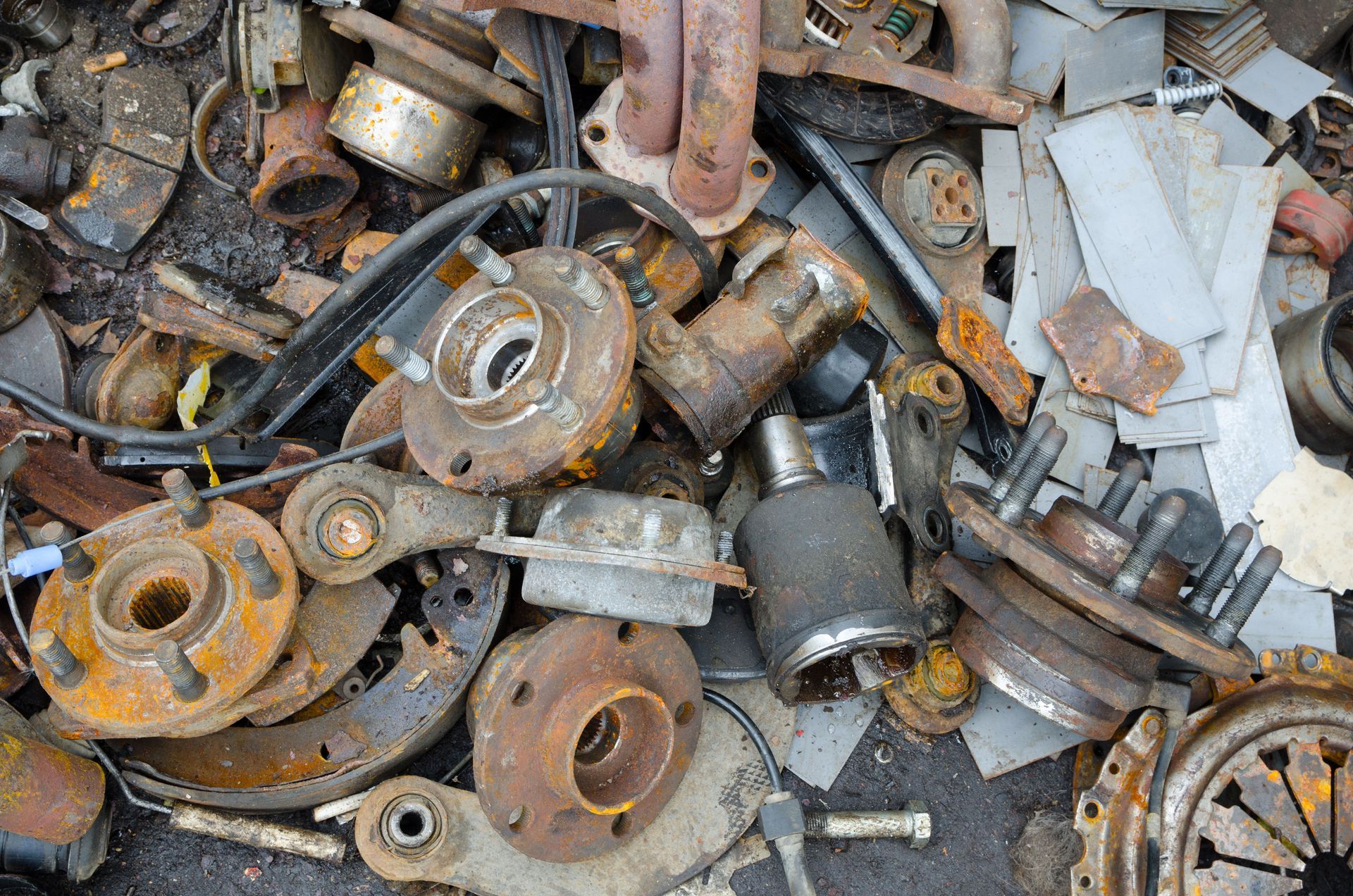
Beyond major industrial supply chains, scrap metal recyclers play a vital role in supporting small businesses and independent tradespeople within local communities. Automotive repair shops, plumbing contractors, demolition crews, and local manufacturing facilities rely on scrap metal recyclers to monetize their leftover industrial waste. This provides an additional revenue stream for small enterprises while keeping heavy commercial waste out of local municipal landfills.
Promoting Urban Cleaning and Blight Reduction
Scrap metal recyclers actively contribute to municipal cleanup efforts by offering financial incentives for recovered junk vehicles, obsolete machinery, and discarded structural elements. By providing accessible drop-off centers and buyback programs, scrap metal recyclers encourage residents and city organizations to clear out hazardous metallic waste. This ongoing removal of scrap helps prevent soil contamination, improves neighborhood aesthetics, and supports safer urban environments.
Safety Standards and Quality Control in Metal Reclamation
Advanced Material Sorting and Hazardous Chemical Handling
Modern scrap metal recyclers must adhere to strict environmental protection guidelines and workplace safety protocols when processing heavy materials. Facilities are equipped with specialized fluid drainage systems, radiation detectors, and containment barriers to safely handle hazardous materials like motor oils, batteries, and PCB-containing components. Professional scrap metal recyclers ensure that these pollutants are isolated and safely disposed of before metals enter the furnace re-smelting stage.
Ensuring Structural Integrity for Reclaimed Alloys
Before recycled metals can be integrated into high-stress infrastructure like bridges or skyscraper foundations, scrap metal recyclers perform rigorous quality assurance testing. Utilizing X-ray fluorescence (XRF) analyzers and spectroscopic testing, workers verify the exact chemical composition of sorted alloys. This precise verification performed by scrap metal recyclers guarantees that civil engineering contractors receive structural-grade materials that meet all national building safety codes and load-bearing requirements.
Scrap metal recyclers play an indispensable role in developing sustainable infrastructure while driving economic growth and environmental protection. By transforming industrial waste into vital building components, scrap metal recyclers conserve precious natural resources, cut industrial carbon emissions, and reduce energy consumption. Their work supports the construction of resilient roads, bridges, public utilities, and commercial buildings that power modern society. As technological innovations advance and global demand for sustainable materials increases, scrap metal recyclers will remain vital partners in building a cleaner, stronger, and more connected future. Reach out to Allied Scrap Processors Inc today to get started with our services.