September 26, 2026
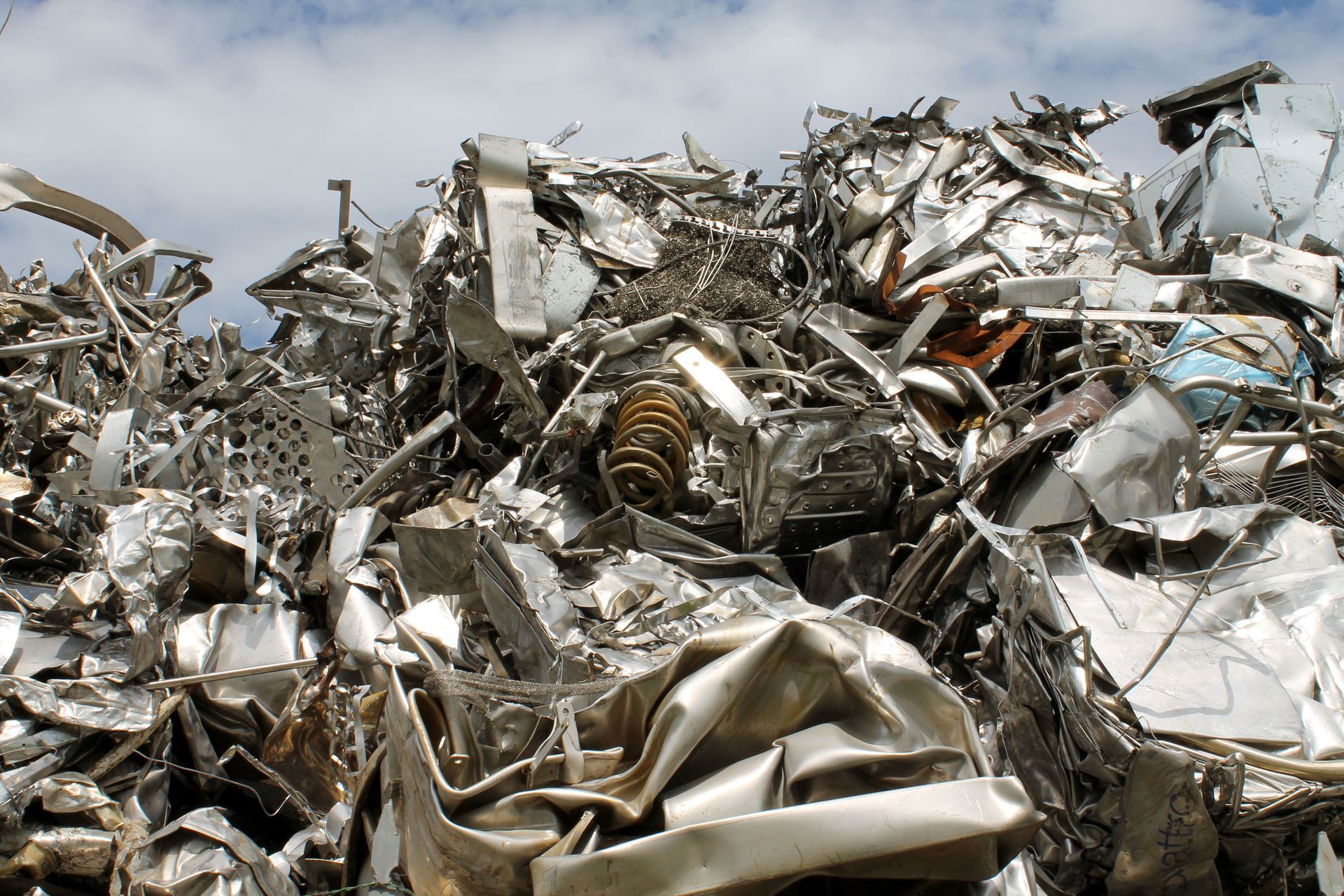
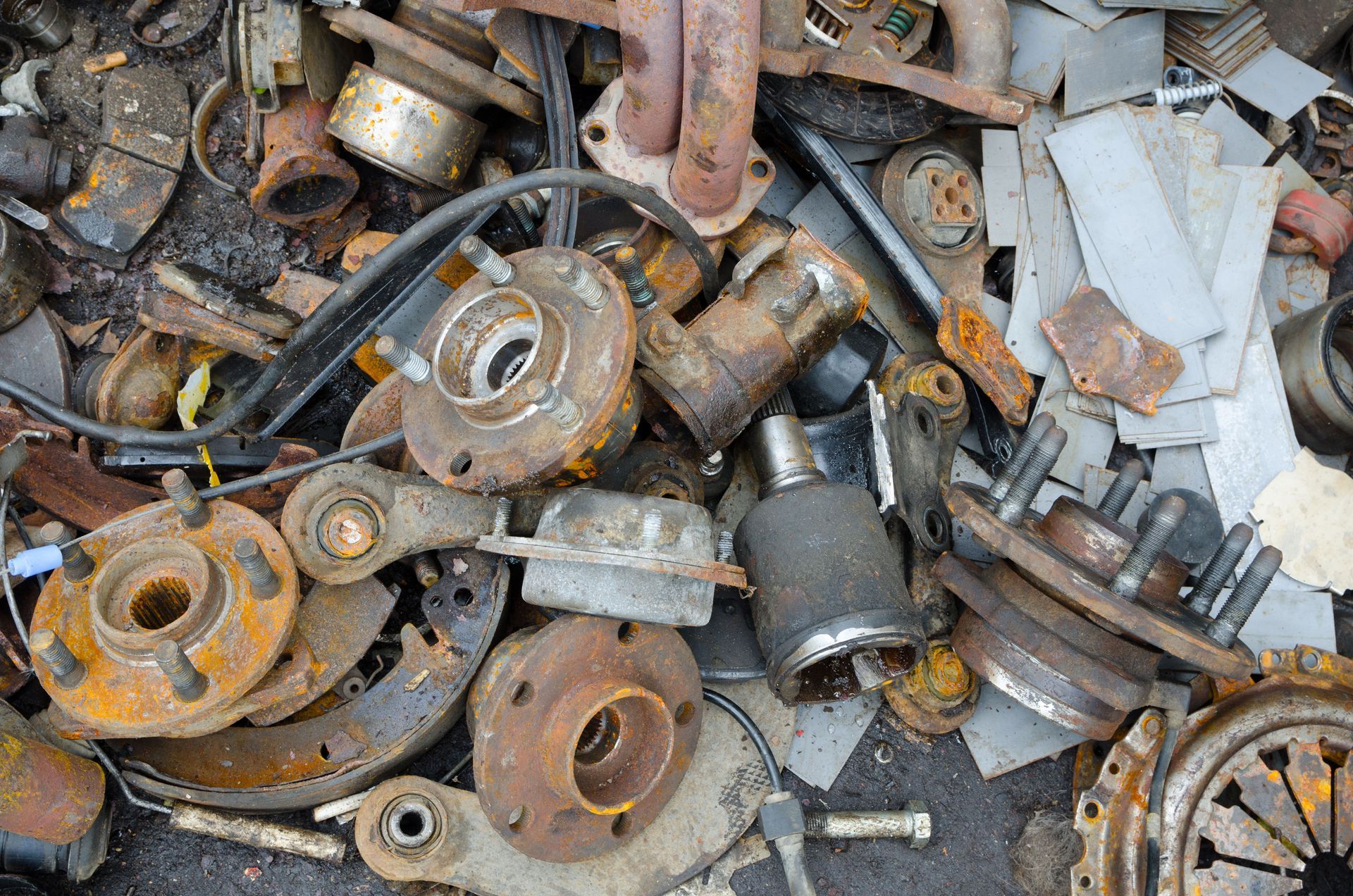
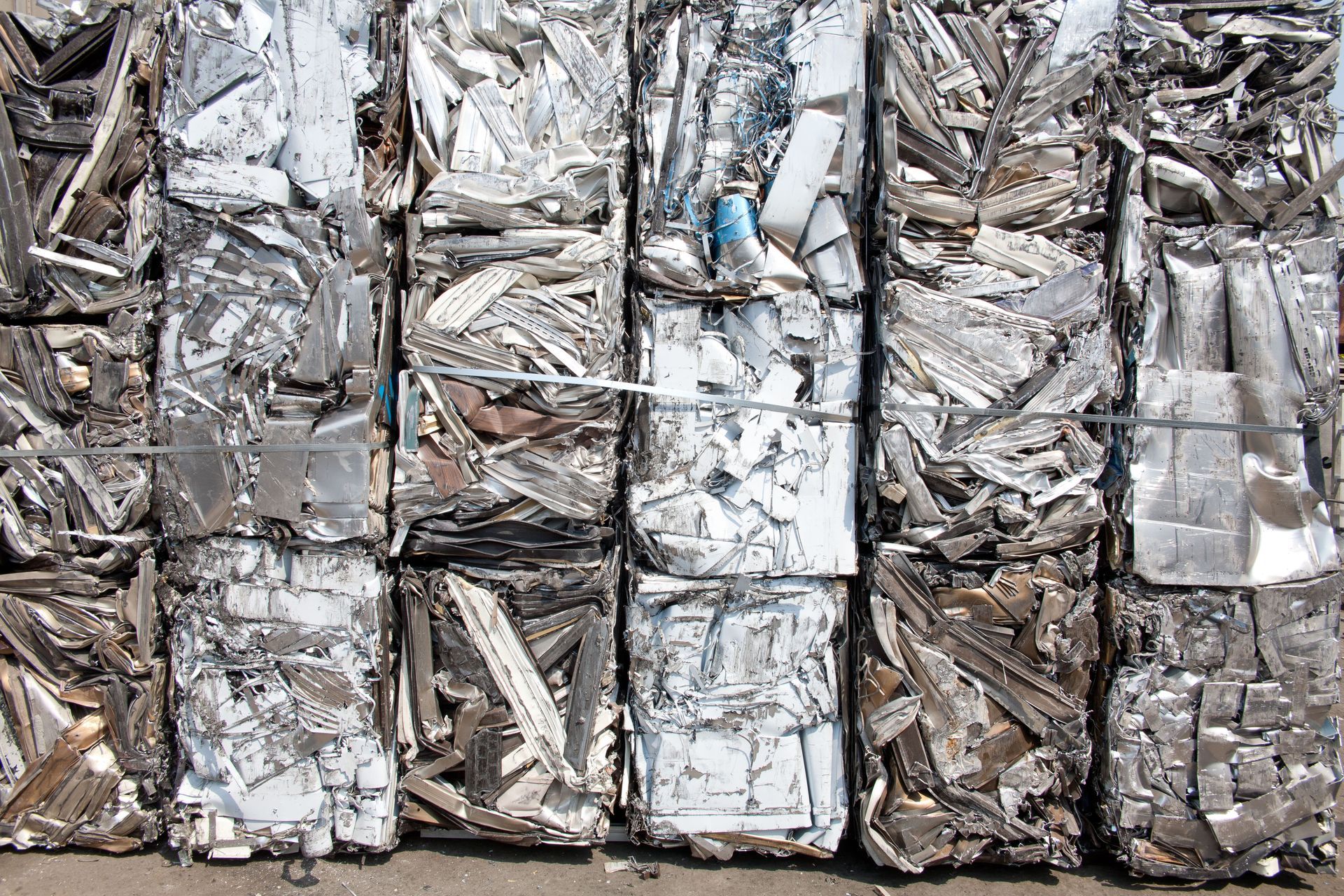
Scrap metal recycling refers to the process of recovering and processing scrap metal from products or structures that have reached the end of their lifecycles. This process involves sorting, cleaning, and converting metal into reusable raw materials that can be utilized in manufacturing new products. In a globalized supply chain, a scrap metal recycler plays a crucial role in conserving resources and reducing waste. The process is highly effective; it maximizes resource utilization while minimizing environmental impacts associated with mining and primary metal production. Ultimately, converting industrial waste into valuable raw materials supports sustainable development goals across modern industries.
Analyzing Energy Efficiency
Metals can be repeatedly melted and reformed without losing their structural properties, contrasting starkly with linear production models that consume vast natural resources. According to IMARC Group, recycling aluminum uses 95% less energy in comparison to producing it from raw materials, highlighting recycling's remarkable efficiency. Hence, the recyclability of non-ferrous and ferrous elements ensures an ongoing, sustainable supply chain that mitigates the strain on natural reserves. Working directly with a scrap metal recycler ensures these valuable commodities remain in active production streams rather than accumulating in landfills.
Choosing Professional Facilities
Professional processors are pivotal in transforming the theoretical goals of sustainability into practical outcomes. Equipped with specialized industrial machinery, an established scrap metal recycler possesses the expertise to handle various types of metals safely and efficiently. Their internal systems optimize material processing to ensure maximum recovery yields while reducing operating costs for industrial clients. Without commercial facilities maintaining these standard operations, the global supply chain would struggle to meet raw material demands while maintaining strict environmental standards.
Ensuring Regulatory Compliance
In addition to processing bulk commodities, professional operations maintain strict compliance with local and federal environmental regulations. Their facilities preserve full accountability throughout the entire material life cycle, tracking metals from initial weigh-in to final melt-down. Operating within these regulatory guidelines safeguards surrounding ecosystems and supports corporate sustainability initiatives. Furthermore, investing in modern infrastructure allows a scrap metal recycler to integrate smoothly into municipal waste management plans, providing a dependable backbone for regional material recovery.
Evaluating Recycled Commodities
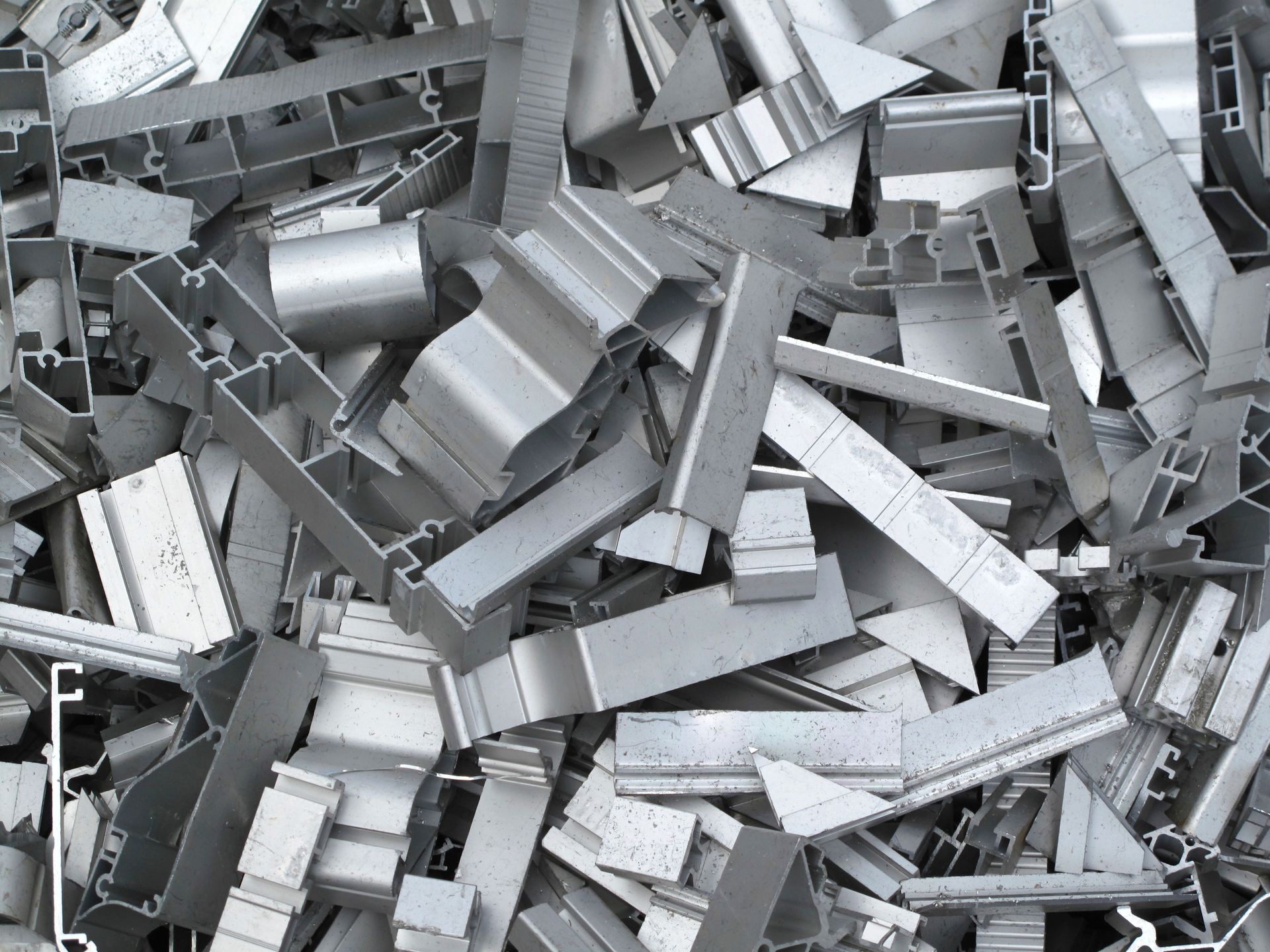
Several key metals appear frequently in commercial processing streams due to their widespread structural usage. Aluminum is highly valued for its lightweight properties, making it ideal for transportation, construction, and packaging applications. Recycling aluminum saves 95% of the energy needed for primary production while reducing greenhouse gas emissions. Copper, prized for its electrical conductivity, is another crucial commodity. Partnering with a scrap metal recycler keeps copper, brass, and aluminum circulating efficiently through power grids and plumbing networks.
Preserving Natural Ecosystems
The indirect benefits of material recovery extend far beyond basic resource conservation. Redirecting bulk metal away from landfills prevents soil contamination and protects regional groundwater supplies from toxic leachate runoff. Furthermore, lowering global mining demands preserves natural habitats and protects biodiversity in ecological zones. Consistently relying on a commercial scrap metal recycler helps maintain delicate ecological balances while building sustainable industrial supply chains.
Establishing Direct Communication
Contacting the facility prior to your arrival provides clarity regarding drop-off procedures and documentation requirements. Reaching out via phone or email allows you to check current payout rates and ask about peak operating hours to avoid long wait times. Establishing this initial line of communication helps build a productive working relationship with the yard operators. Transparent facilities welcome these inquiries, ensuring first-time visitors feel confident about the check-in and weighing procedures.
Navigating Yard Layouts
Familiarizing yourself with a facility's layout before driving onto the scales streamlines the entire unloading process. Many commercial operators provide online site maps or photo galleries showcasing their check-in lanes, drive-over scales, and designated unloading bays. Understanding where to go based on your material type prevents traffic confusion and minimizes downtime on the yard. Being prepared allows first-time sellers to navigate industrial scale houses efficiently.
Sorting Metals Efficiently
Organizing materials prior to visiting the scale house is essential for securing accurate weight payouts. Begin by separating ferrous items (iron and steel) from non-ferrous materials (copper, brass, and aluminum) using a basic handheld magnet. Non-ferrous metals carry significantly higher market values, so separating them prevents your entire load from being graded at lower steel rates. Removing non-metallic attachments, rubber hoses, or excessive dirt also prevents weight deductions during the grading process.
Grouping Organized Loads
Grouping your sorted metals clearly inside your truck or trailer speeds up the unloading phase significantly. Indicating different material grades to the scale operator ensures each item is weighed and logged correctly. Yard staff appreciate organized loads and can process well-prepared customers quickly. Keeping a personal log of your estimated weights and material types before arriving helps you verify your final transaction receipt.
Analyzing Commodity Markets
Understanding how commodity markets determine scrap values helps sellers set realistic payout expectations. Prices fluctuate daily based on global supply demands, international trade policies, and regional manufacturing needs. Checking current market trends before bringing your load to a scrap metal recycler allows you to sell when rates are favorable. Being informed about current market conditions empowers you to evaluate transaction receipts accurately.
Verifying State Regulations
Adhering to local, state, and federal regulations is mandatory when selling scrap metal to commercial buyers. State laws regulate the purchase of restricted items, such as catalytic converters, municipal property, or hazardous storage tanks. Checking local compliance laws before heading to the facility prevents legal complications and ensures your items can be accepted legally. Demonstrating compliance supports lawful business practices across the recycling industry.
Adhering To Guidelines
Upon entering the facility, visitors must follow all posted traffic signs, speed limits, and safety instructions. Remaining inside designated unloading zones and obeying scale signals ensures orderly vehicle flow throughout the yard. If you are unsure where to unload a specific material, asking a scale operator or yard attendant prevents misplaced items. Compliance with site rules keeps operations running smoothly.
Securing Transport Equipment
Ensuring your vehicle and transport trailer are in good working condition prevents mechanical issues on the yard scales. Vehicles must stay within legal weight limits to prevent tire blowouts or structural strain during transport. Securing trailer ramps and tailgate latches before entering the facility prevents accidents during unloading. Prioritizing vehicle maintenance ensures safe, hassle-free deliveries.
Completing Initial Check-In
When arriving at the facility, stopping at the primary scale house begins the official check-in procedure. Drivers weigh their vehicle with the full load (gross weight) before being directed to the appropriate unloading bay. Presenting identification and declaring your material types at this stage ensures accurate tracking. The scale operator issues a transaction ticket that follows your load through the weigh-in process.
Observing Yard Operations
Participating in a guided site walkthrough or observing yard operations offers valuable insights into how materials are separated, shredded, and baled. Modern facilities utilize heavy machinery, magnetic sorters, and shear balers to process thousands of tons of metal daily. Seeing these advanced processing methods firsthand highlights the industrial scale of material recovery. Understanding these operations demonstrates how individual scrap deliveries support global manufacturing.
Locating Unloading Areas
Following direction signs or scale house instructions leads drivers to the correct unloading zones for their specific materials. Ferrous metals are typically directed to large outdoor scrap piles managed by crane operators, while non-ferrous metals are unloaded near indoor precision scales. Dropping materials in the correct location guarantees accurate weighing and prevents sorting delays.
To turn your excess metal into immediate cash while supporting environmentally responsible material recovery, contact Allied Scrap Processors, Inc.